How to Write a Budget Section That Gets Funded
A great idea alone won’t get your grant proposal funded—your budget section must be just as strong. For many funders, the budget tells them whether your project is realistic, well-planned, and worth the investment.
In this guide, we’ll break down exactly how to write a grant proposal budget that not only ticks all the boxes, but also strengthens your overall application.
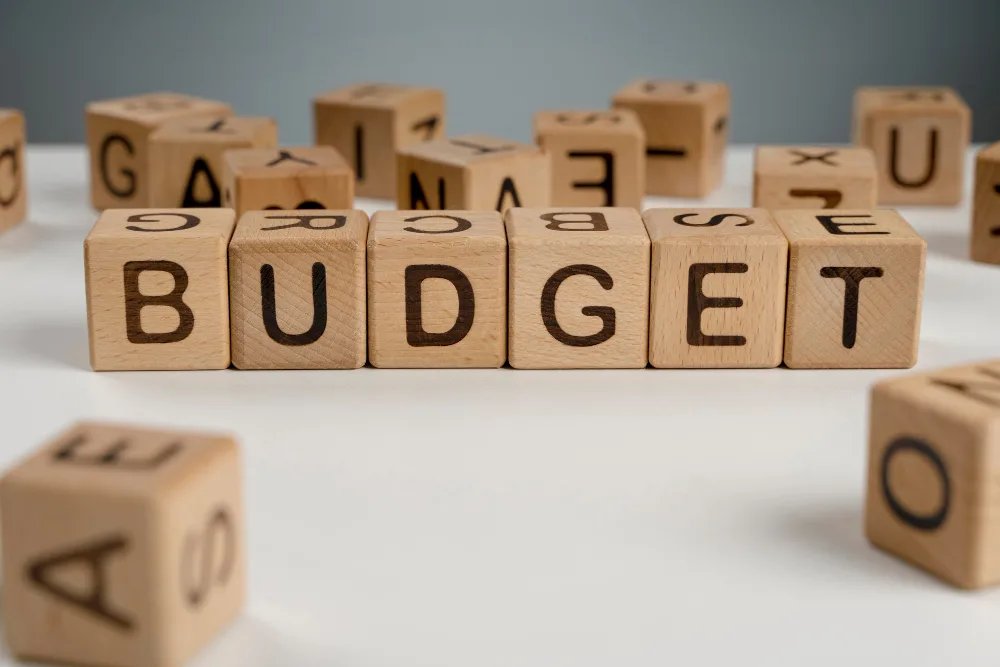
Why the Budget Section Matters
The budget isn’t just about numbers—it’s about trust.
Funders want to see:
- How well you understand the project
- How wisely you’ll use their money
- Whether your expenses align with your goals
A well-written budget demonstrates credibility, transparency, and preparedness—all critical to earning funding.
1. Start with a Detailed Project Plan
You can’t build a budget without first outlining your project. Define:
- Objectives
- Timeline
- Activities
- Team and resources required
Once you know the scope, it becomes easier to attach accurate costs.
2. Break Down Costs Clearly
Your budget should include:
- Personnel: Salaries, wages, or stipends for staff or contractors
- Fringe Benefits: Health insurance, payroll taxes, retirement contributions
- Equipment: One-time purchases for hardware, tools, etc.
- Supplies: Office materials, software, program materials
- Travel: Transportation, accommodation, meals
- Training & Consultants: Workshops, expert services
- Indirect Costs: Overhead expenses like rent, utilities, admin costs
Tip: Organize your budget into clear line items with headings.
3. Use Realistic and Justified Numbers
Don’t guess. Funders will scrutinize every dollar.
- Research market rates or get vendor quotes.
- Avoid rounding off too generously—specific figures seem more credible.
- Explain the logic behind each number in the budget justification section.
For example:
“We request $3,200 to hire a part-time community outreach coordinator at $20/hour for 8 hours/week over 5 months.”
4. Write a Budget Justification (Also Called a Narrative)
Your budget justification is the story behind the numbers. For each line item, explain:
- Why the expense is necessary
- How you calculated the amount
- How it supports the project’s goals
This builds funder confidence and helps avoid misunderstandings.
5. Align the Budget with Proposal Goals
The biggest mistake applicants make? Including costs that don’t support their stated goals.
Example:
If your project goal is youth education, don’t allocate $10,000 to a marketing campaign and only $1,000 to educational materials.
Ensure your budget reflects your priorities.
6. Watch for Common Budget Mistakes
Avoid these red flags that could hurt your proposal:
- Vague or lump-sum requests (e.g., “$10,000 – Program Expenses”)
- Overinflated salaries
- Missing indirect costs (or including them improperly)
- No match for funder requirements (e.g., funding only capital expenses)
- Mathematical errors
Double- and triple-check your numbers.
7. Include In-Kind Contributions (If Applicable)
In-kind contributions are non-cash resources that support the project, such as:
- Volunteer hours
- Donated space or equipment
- Pro bono professional services
Mentioning in-kind support can make your proposal more attractive by showing community investment and shared responsibility.
8. Format Professionally and Clearly
Use a simple, clean table format with the following columns:
- Category
- Description
- Cost per Unit
- Quantity
- Total Cost
Make sure it’s easy to read, and aligns with the funder’s preferred format or template.
9. Tailor the Budget to the Funder
Every funder is different. Before you submit:
- Read their guidelines carefully
- Adjust your categories to match their required format
- Limit costs to those they’re willing to fund
- Highlight cost-effectiveness, especially for government or foundation grants
10. Review and Get a Second Opinion
Even pros make errors. Before submission:
- Review all numbers
- Check if totals match your narrative
- Ask a peer or financial expert to proofread
- Make sure the budget aligns with your overall proposal
Conclusion
Your budget can make or break your grant application. It’s more than just a list of numbers—it’s a reflection of your project’s planning, feasibility, and impact.
By crafting a clear, justified, and funder-aligned budget, you show that your project isn’t just a good idea—it’s a solid investment.
Need Expert Help With Your Budget?
We’ve helped dozens of nonprofits, small businesses, and individuals write grant-winning budgets that impress funders. Let us help you create one that works.
Contact us now to get started with a professional grant writing service.
Newsletter
Latest Post
-
 How to Align Your Grant Proposal with Funder’s Mission18 Jul 2025
 -
Creating a Grant Calendar for Nonprofits15 Jul 2025
-
Top Sectors Receiving Grants in 202511 Jul 2025
-
How Funders Evaluate Organizational Capacity in 202510 Jul 2025
-
Understanding Matching Grants and How to Prepare for Them09 Jul 2025
-
Why Local Grants Might Be Better Than National Ones for Startups08 Jul 2025